Protein and Satiety: What Research Shows
Research consistently demonstrates that protein has a stronger effect on satiety—the feeling of fullness and satisfaction—compared to other macronutrients. This property of protein has important implications for how it influences overall dietary intake and eating patterns.
Satiety is regulated by complex hormonal and neurological signals. When you consume protein, it triggers several mechanisms that promote fullness and reduce subsequent food intake, which is why higher protein foods and meals may influence how much people eat.
Hormonal Mechanisms
Protein consumption stimulates the release of several satiety-promoting hormones. Peptide YY (PYY) and glucagon-like peptide-1 (GLP-1) are both increased by protein intake and promote the sensation of fullness. Ghrelin, the appetite-stimulating hormone, is suppressed more by protein than by equal calories from other macronutrients.
These hormonal responses help explain why, when people consume adequate protein, they often report feeling fuller and may eat less at subsequent meals without consciously restricting.
Physical and Neurological Factors
Beyond hormones, protein influences satiety through several other mechanisms. Protein has a lower energy density than fat and generally higher volume than refined carbohydrates, contributing to physical fullness. The chewing required by many protein sources also promotes satiety signals.
Protein also influences brain regions involved in appetite and reward, affecting how satisfied people feel with their meals. These effects are distinct from caloric content alone.
Protein Sources Matter
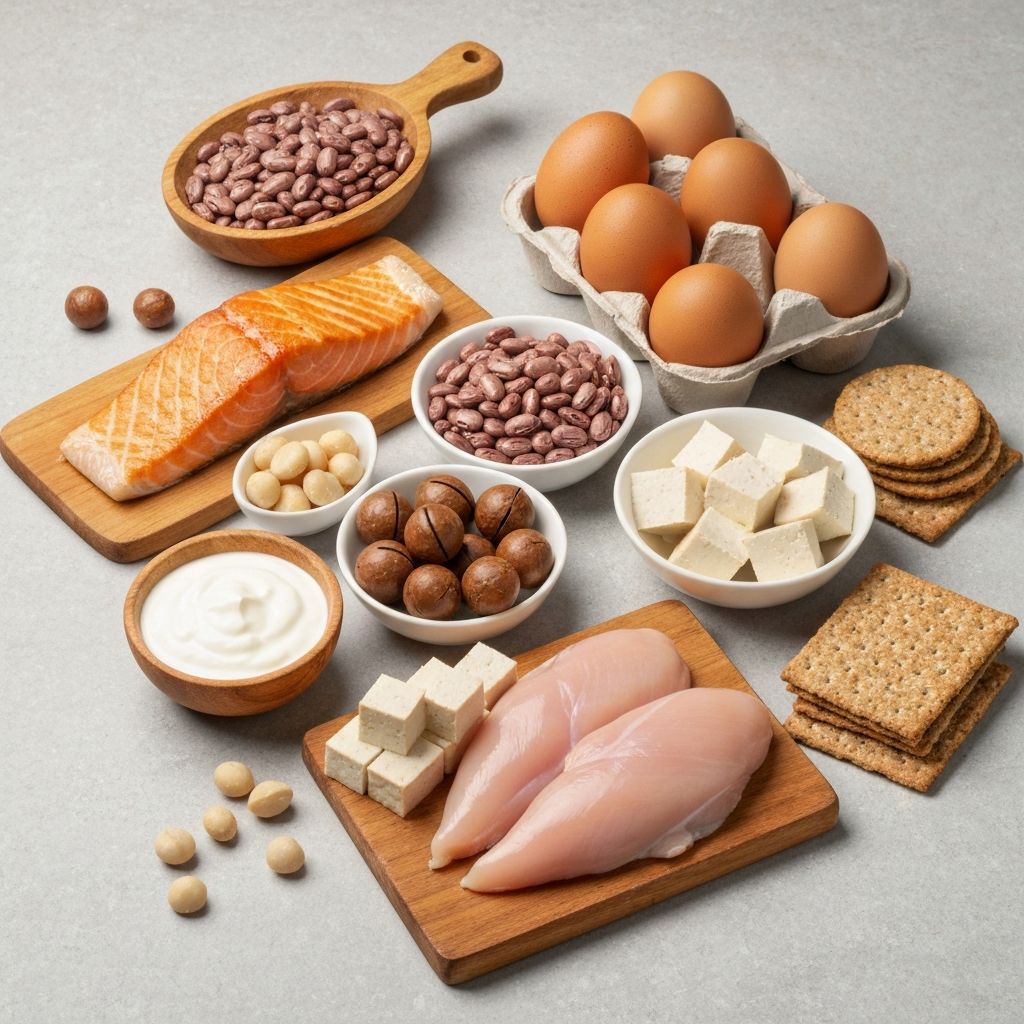
Different protein sources have varying satiety effects. Whole food sources like fish, poultry, eggs, legumes, and nuts often produce stronger satiety responses than isolated protein supplements. This may relate to the overall nutritional composition, fiber content, and other factors present in whole foods.
The amount and type of protein consumed at a meal influence satiety. Research suggests that including 25-40 grams of protein per meal may optimize satiety effects, though individual responses vary.
Protein and Subsequent Intake
Studies show that when protein intake increases as a proportion of total calories, people often consume fewer total calories without consciously restricting. This doesn't mean that eating more protein guarantees weight changes—total energy intake still matters—but it does suggest that protein composition influences how much people naturally eat.
This effect appears to persist even when people are not actively trying to reduce intake, suggesting that protein's satiety effects influence eating behavior naturally.
Individual Variation
While protein generally produces stronger satiety effects, the magnitude of response varies between individuals. Some people respond more strongly to protein-induced satiety, while others show more modest responses. Factors influencing individual variation include genetics, gut health, hormonal status, and baseline protein intake.
Additionally, the satiety response to protein can adapt over time. Habitually consuming high protein intake may result in different satiety effects than suddenly increasing protein intake.
Protein in Context
While protein's satiety effects are scientifically documented, weight and health are influenced by many factors beyond protein intake. The overall dietary pattern, total energy intake, activity level, sleep, stress, and individual preferences all matter substantially.
Protein composition is one component of a dietary pattern, not a complete solution for weight management or health. The sustainability and appropriateness of any dietary approach depend on individual circumstances and preferences.
Important Note
This article presents research findings about protein and satiety but does not constitute personal nutritional advice. Individual needs and appropriate protein intake vary based on health status, activity level, and other factors. Consult healthcare professionals for personalized guidance.